
Before You Buy Native Bee Cocoons, Pause and Ask Questions
Some businesses market Mason and Leafcutter bee cocoons for home hatching and release, claiming conservation benefits. While well‑intentioned, these practices deserve closer scrutiny.
To truly support local solitary bee pollinators in Ontario, bee cocoons must originate within Ontario. Cocoons sourced from other geographic regions should not be raised or released here, as this can pose serious risks to our native bee populations and ecosystems.
Research has confirmed that the horned‑face bee (Osmia cornifrons), a solitary bee indigenous to northern Asia, is now established in parts of Ontario. This species was intentionally introduced to the United States decades ago for crop pollination and later spread beyond managed settings. Scientists studying its arrival in Canada identify several possible pathways, including the unintentional release of non‑local mason bee cocoons purchased from vendors outside the region.
Introducing non‑local cocoons can:
• Disrupt native bee genetics
• Spread parasites and pathogens
• Increase competition for nesting sites and food
• Undermine genuine conservation efforts
Good intentions alone are not enough.
True conservation begins with protecting the bees that already belong here.
Before purchasing or releasing bee cocoons, always ask where they come from—and choose actions that support Ontario’s native pollinators.
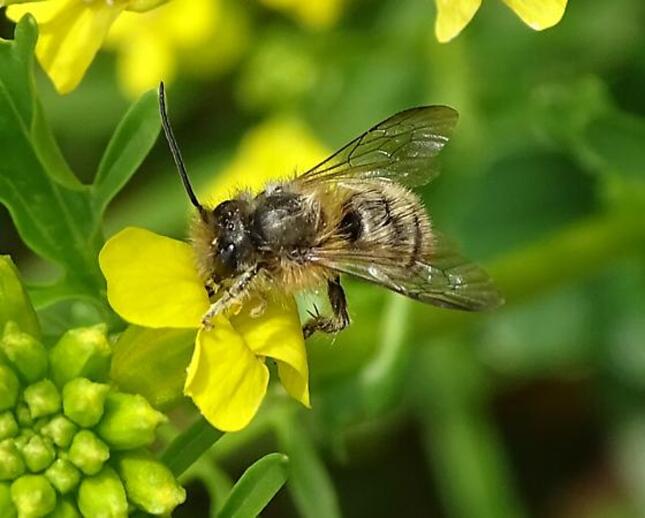
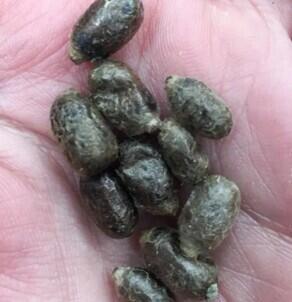
Horn-face Bee (Osmia cornifrons) Bee cocoons