Why Birds Need Wild Birds Unlimited No-Melt Suet in Summer
Feeding no melt suet in summer is one of the smartest ways to support backyard birds during their busiest, most energy intensive season.
Why No Melt Suet Matters in Summer
Summer is a demanding time for birds. Adults are feeding young, fledglings are learning to forage, and many species are already beginning early feather replacement. All of this requires high energy nutrition, and suet—rich in protein and fat—remains one of the most valuable foods you can offer. But in hot weather, regular suet can melt, spoil, and even harm birds, which is why switching to no melt suet is essential.
What Makes No Melt Suet Different?
- No melt suet is formulated with stabilizers like cornmeal or oat flour, giving it a higher melting point so it stays firm even in temperatures above 32°C (90°F).
• Regular suet begins to soften or melt at 27 – 32°C ( 80–90°F), dripping and spoiling quickly.
• No melt suet holds its shape up to ~43 - 46°C (110–115°F), making it safe for summer feeding. - This stability prevents rancidity, mold growth, and the greasy mess that can attract pests or damage birds’ feathers.
Why Birds Need Suet in Summer
- Many suet loving species—woodpeckers, chickadees, nuthatches, wrens, and bluebirds—rely on high energy foods during nesting and fledging.
- Woodpeckers often bring their young to suet feeders, giving them an easy, reliable food source.
- Fat rich foods support brooding females and nestlings during early summer.
- Heat Stress: High temperatures increase metabolic rates, so birds need more calories to stay cool and hydrated
- Insect Scarcity: In dry spells or urban areas, natural insect populations may dwindle, making supplemental food crucial
- Suet also helps birds fuel feather growth, which is especially important as many species begin replacing flight feathers during late summer.
Why Regular Suet Can Be Dangerous in Heat
- When traditional suet melts, it creates several risks:
• Spoilage & bacteria — Melted fat goes rancid quickly in humidity.
• Feather damage — Soft suet can smear onto plumage, breaking down waterproofing and insulation—similar to a tiny oil spill.
• Wildlife attraction — Rancid suet draws raccoons, rats, and even bears. - No melt suet avoids these hazards by staying firm and stable.
Best Practices for Summer Suet Feeding
- Choose no melt or summer blend suet cakes
- Place feeders in shade to reduce heat exposure.
- Offer small portions and replace as needed in extreme heat.
- Pair suet with other summer staples like mealworms and high protein blends.
Nutritional Benefits for Birds
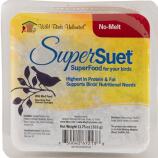
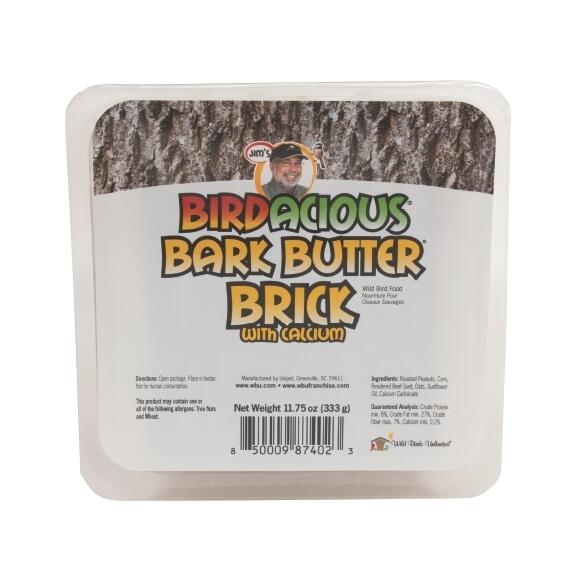
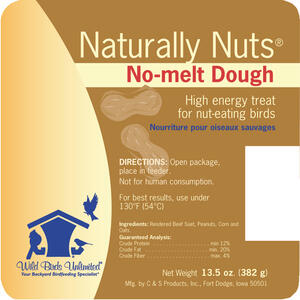
Wild Birds Unlimited No-Melt Suet are enriched with ingredients that boost its appeal and nutritional value. Our No-Melt Suet blends help birds maintain muscle, grow feathers, and feed chicks efficient. Our no-melt suet have a guaranteed minimum protein of at least 8% and a fat of 27%. If you want the absolute best no-melt suet for your birds our Wild Birds Unlimited Super No-Melt Suet has an industry leading 15% protein and fat a fat of 42%.
The Takeaway
No melt suet keeps birds safe while giving them the high energy nutrition they need for nesting, fledging, and feather growth. It’s one of the most effective ways to support your backyard birds through the hottest months.