
Wood Shavings for The Bird House
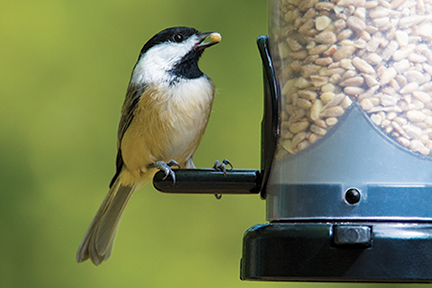
Cornell Laboratory of Ornithology conducted studies on the success rate of nest boxes being used by Black-capped Chickadees and discovered the following:
- Nest Boxes with wood shavings - excavated 40% to 50% more often than nest boxes without wood shavings
- Nest Boxes with wood shavings - nests were initiated 15% more often than nest boxes without wood shavings
This study shows that species that naturally dig out nesting spots in trees are more likely to use a manmade nest box if it’s filled with wood shavings. The shavings are packed tightly inside, extending up past the entrance hole. If you want to attract Black-capped Chickadees or Red-breasted Nuthatches, adding wood shavings to the nest box can increase the chances of successful nesting.
Not all wood shavings are suitable for use in a nest box. Here’s a quick rundown of the most common types available for purchase.
Wood Shavings
Any wood shavings used should be untreated.
Aspen vs Pine vs Cedar
- Aspen shavings are recommended.
- Lowest amount of Volatile Organic Compounds (VOC).
- Pine shavings are a better option than cedar.
- VOC’s are not in as high a concentration as cedar.
- Cedar shavings are not recommended.
- Very high in VOC’s
- When cedar is turned into shavings, much more surface area is exposed, so these compounds are released into the air more readily than from solid boards.
- Birds have extremely sensitive respiratory systems.
- Airborne chemicals (VOC’s) affect them more quickly and at lower concentrations.
- This risk is higher in enclosed spaces like nest boxes
Note:
Cedar nest boxes are safe:
- VOCs are slow‑releasing from solid wood
- Outdoor airflow keeps concentrations far below irritation thresholds.
- Birds evolved alongside aromatic woods and tolerate them well in structural form, not as bedding
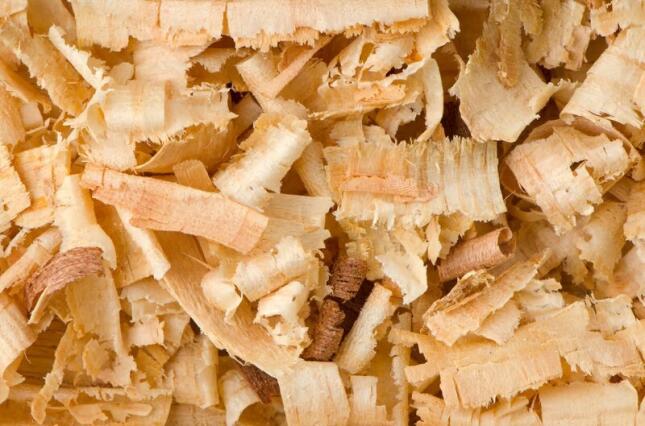
Aspen wood shavings